
Why Some Private Jets Have Winglets and Some Do Not
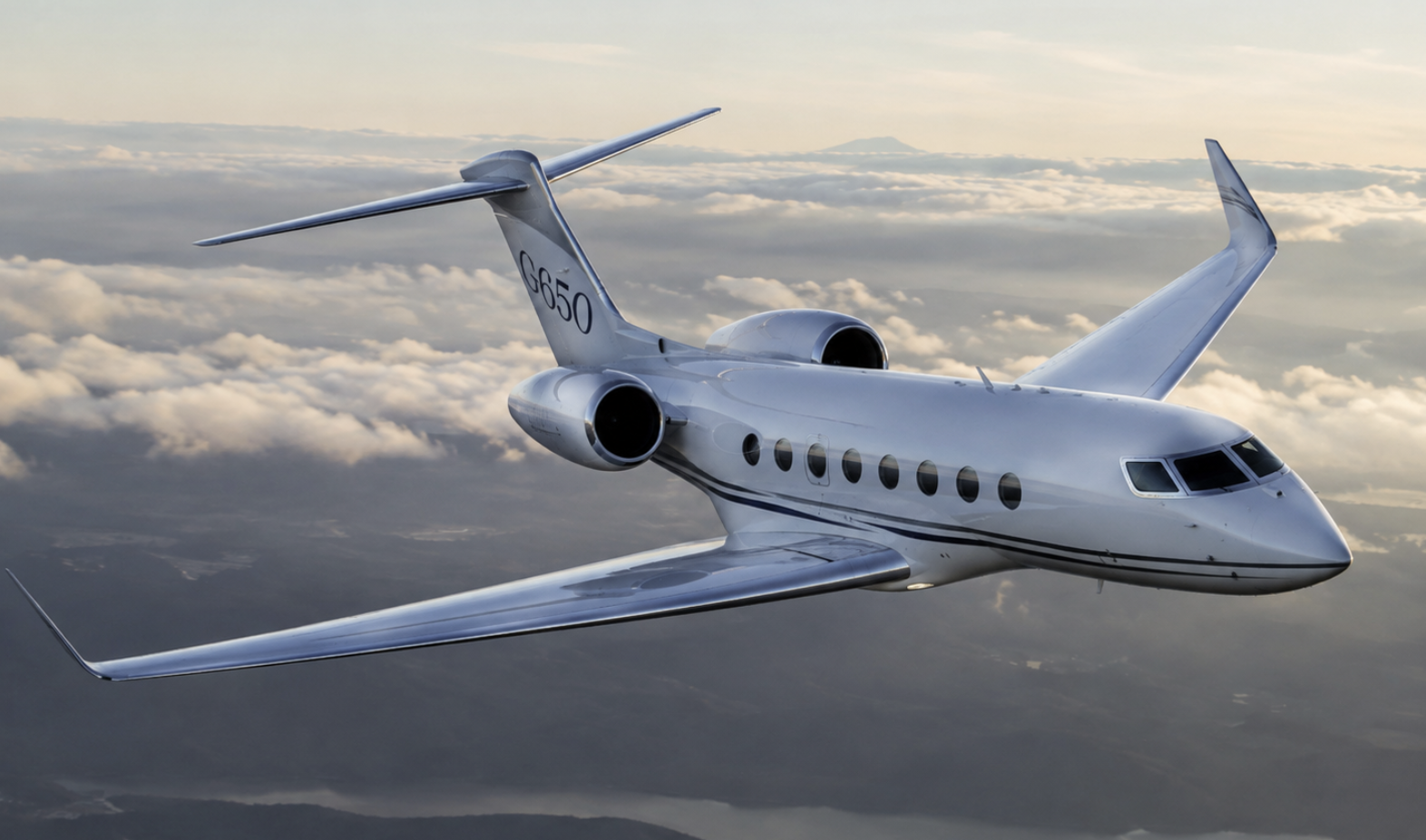
If you look across the private jet market, one thing stands out quickly: some aircraft have tall, obvious winglets at the tips of the wings, and some do not. To most travelers, they can look like a styling feature. They are not. Winglets are there for a reason, but that reason does not apply equally to every airplane.
The simple answer is this: winglets help some aircraft become more efficient, but they are not automatically the best solution for every jet design. Whether a private jet has winglets depends on the aircraft’s original wing design, the mission it was built for, the era in which it was engineered, and whether the manufacturer believed the performance gains were worth the added complexity, cost, and weight.
What winglets actually do
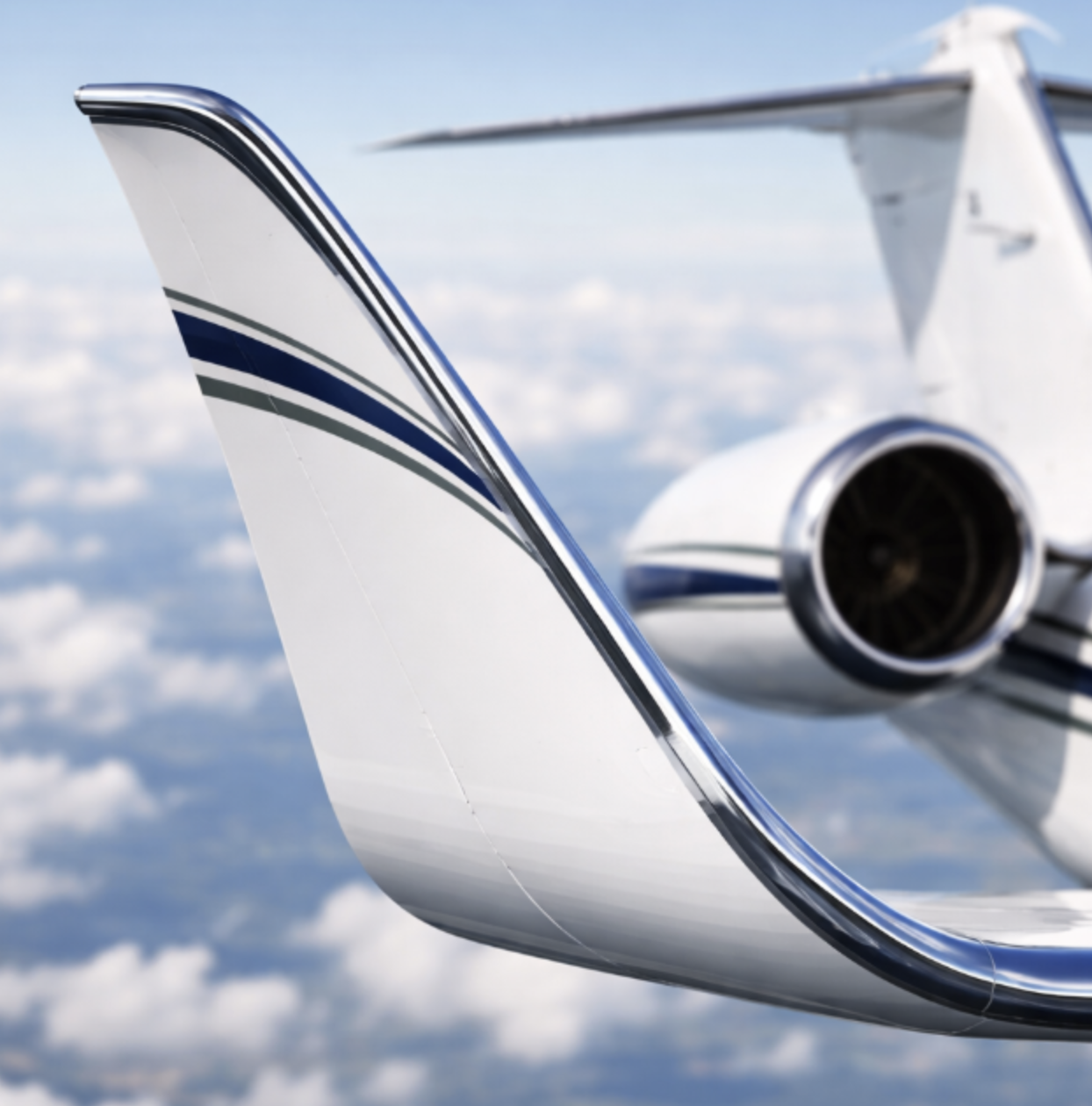
Winglets are designed to reduce induced drag. That is the drag created as a wing produces lift. At the tip of a wing, high-pressure air from below the wing tries to move into the low-pressure area above it, creating a swirling vortex. That vortex represents wasted energy.
A winglet helps manage that airflow and reduce the strength of those vortices. In practical terms, that can improve aerodynamic efficiency, especially in phases of flight where induced drag matters most.
For private jets, that can translate into benefits like:
- Better fuel efficiency
- Longer range
- Improved climb performance
- Better takeoff performance in some cases
- Lower operating costs over time
That all sounds great, and it is. But it still does not mean every jet should have them.
Why some private jets have winglets
The biggest reason is efficiency. If a manufacturer can improve range or reduce fuel burn without redesigning the entire aircraft, winglets can be a very attractive solution.
This is especially valuable in private aviation, where operators and owners care about real-world performance. A modest efficiency gain can matter if it helps an aircraft:
- Fly farther nonstop
- Carry more passengers or baggage on a given trip
- Operate more effectively out of hot, high, or short-runway airports
- Reduce fuel spend over the life of the airplane
For some aircraft, winglets were part of the original design from day one. For others, they were added later through upgrades or aftermarket programs to improve performance on an existing platform.
That is why you will sometimes see older jet models with retrofitted winglets. The base airplane may have been designed before winglets became more common or before the economics justified them. Later, operators or manufacturers saw a chance to improve the aircraft without building a new one from scratch.
Why some private jets do not have winglets
This is where people often get it wrong. A jet without winglets is not necessarily outdated, inefficient, or worse.
Some aircraft do not need them because the wing itself was designed differently. Engineers have multiple ways to improve aerodynamic efficiency. Winglets are one tool, not the only tool.
A jet may not have winglets because:
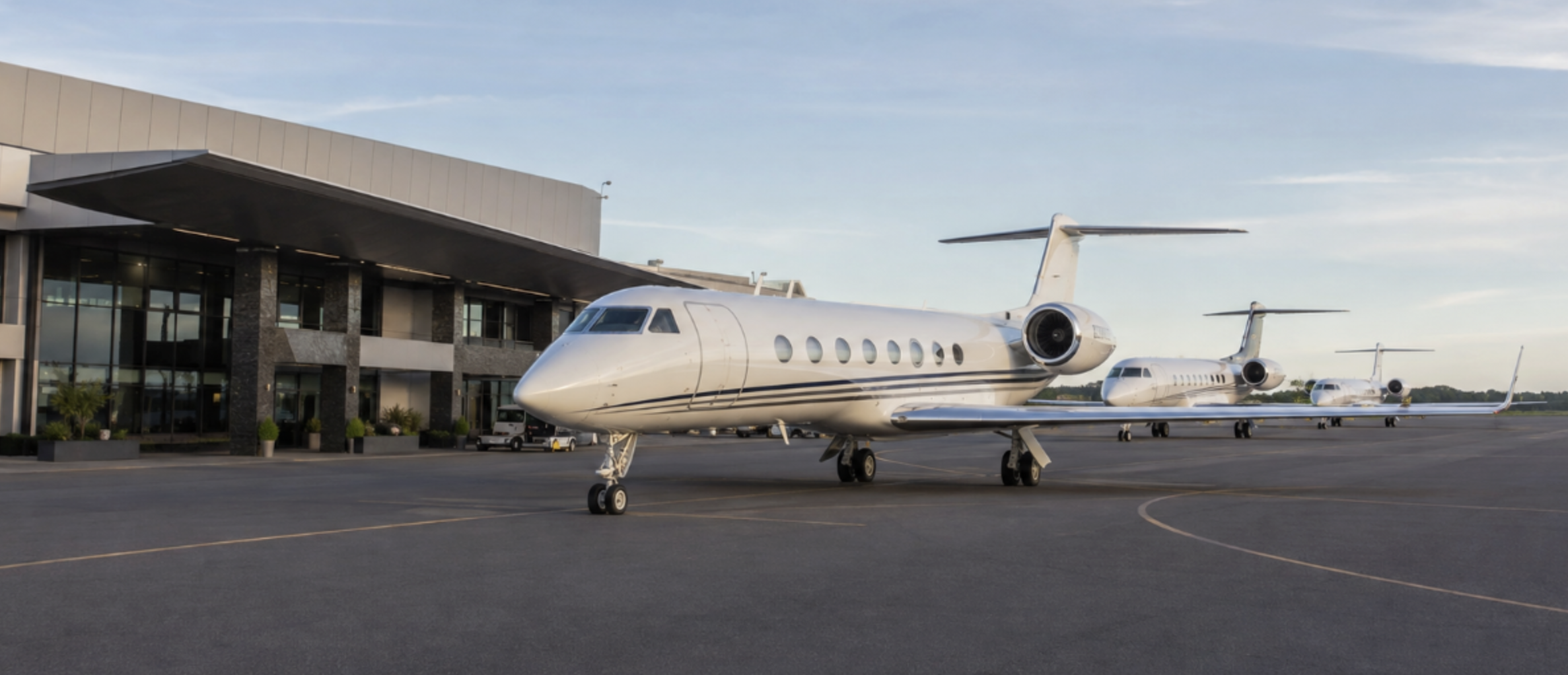
- The wing already has an efficient shape and planform
- The aircraft was optimized for a different performance profile
- Adding winglets would not create enough benefit to justify the tradeoffs
- The manufacturer chose a cleaner wingtip design instead
- Structural or certification considerations made winglets less attractive
In other words, some airplanes solve the same aerodynamic problem in another way.
A newer jet without winglets may have a highly refined wing design that achieves strong performance without needing those vertical tips. In some cases, adding winglets would increase weight, complexity, or manufacturing cost without delivering enough meaningful improvement.
Design is always a tradeoff
Aircraft design is a series of compromises. Engineers do not get to optimize everything at once. They balance speed, range, fuel burn, climb, handling, structural weight, production cost, maintenance, and certification requirements.
Winglets help in some areas, but they can also introduce tradeoffs.
Those tradeoffs may include:
- Additional structural weight
- Higher manufacturing cost
- More complexity in certification and design
- Different handling characteristics
- Maintenance or repair considerations, especially after ramp damage
For one jet, that tradeoff is worth it. For another, it is not.
That is why you cannot judge a private jet’s quality or capability based on winglets alone. They are one design decision inside a much larger system.
Why winglets became more common over time
Like many things in aviation, the answer also depends on when the aircraft was designed.
Older private jets were built in an era with different fuel economics, different aerodynamic tools, and different market expectations. As computational modeling improved and fuel efficiency became more important, winglets became more appealing.
Manufacturers also got better at integrating them into aircraft designs in a way that made economic and operational sense.
That is part of the reason many newer aircraft feature winglets or similarly advanced wingtip devices, while many older jets do not unless they were upgraded later.
Not all winglets are the same
Another important point: “winglet” is often used as a catch-all term, but not every wingtip device is identical.
Some jets use classic vertical winglets. Others use blended winglets, canted winglets, raked tips, or more subtle wingtip shaping that serves a similar purpose. The exact shape depends on the aircraft and what the designer is trying to accomplish.
So even among private jets that do have them, the design can vary significantly.
What this means for owners and buyers
From an owner or buyer perspective, winglets are best viewed as part of the broader performance picture, not as a standalone advantage.
A jet with winglets may offer better efficiency or better payload-range flexibility than it would without them. That can absolutely matter. But the smarter question is not, “Does it have winglets?” The smarter question is, “How does this aircraft perform on the missions I actually fly?”
That includes things like:
- Typical passenger count
- Stage length
- Runway environment
- Hot and high performance
- Fuel burn
- Baggage needs
- Cabin priorities
- Total operating economics
A winglet-equipped aircraft may be the better choice. It also may not be. The right answer depends on the mission.
The bottom line
Some private jets have winglets because they improve efficiency and performance in a way that makes sense for that airplane. Some do not because the aircraft was designed differently, the benefits were too small, or the tradeoffs were not worth it.
Winglets are useful, but they are not magic. They are one aerodynamic solution among several.
In private aviation, that is often the real story: what looks like a simple visual difference is usually the result of a long chain of engineering and economic decisions.
If you are comparing aircraft, it is worth understanding what winglets do. But it is even more important to understand the bigger picture of how that specific jet was designed to perform. Reach out to us today at The Private Jet Consultants to discuss when winglets may or may not make sense for your aircraft.
‹ Back
Recent Posts
-
-
Consolidation and the Captive Client
August 6, 2026
-

-
Why Some Private Jets Have Winglets and Some Do Not
March 30, 2026
-

In-Flight Wi-Fi on Private Jets Is Finally Catching Up
February 18, 2026